Why is Gjirokastër a UNESCO World Heritage town?
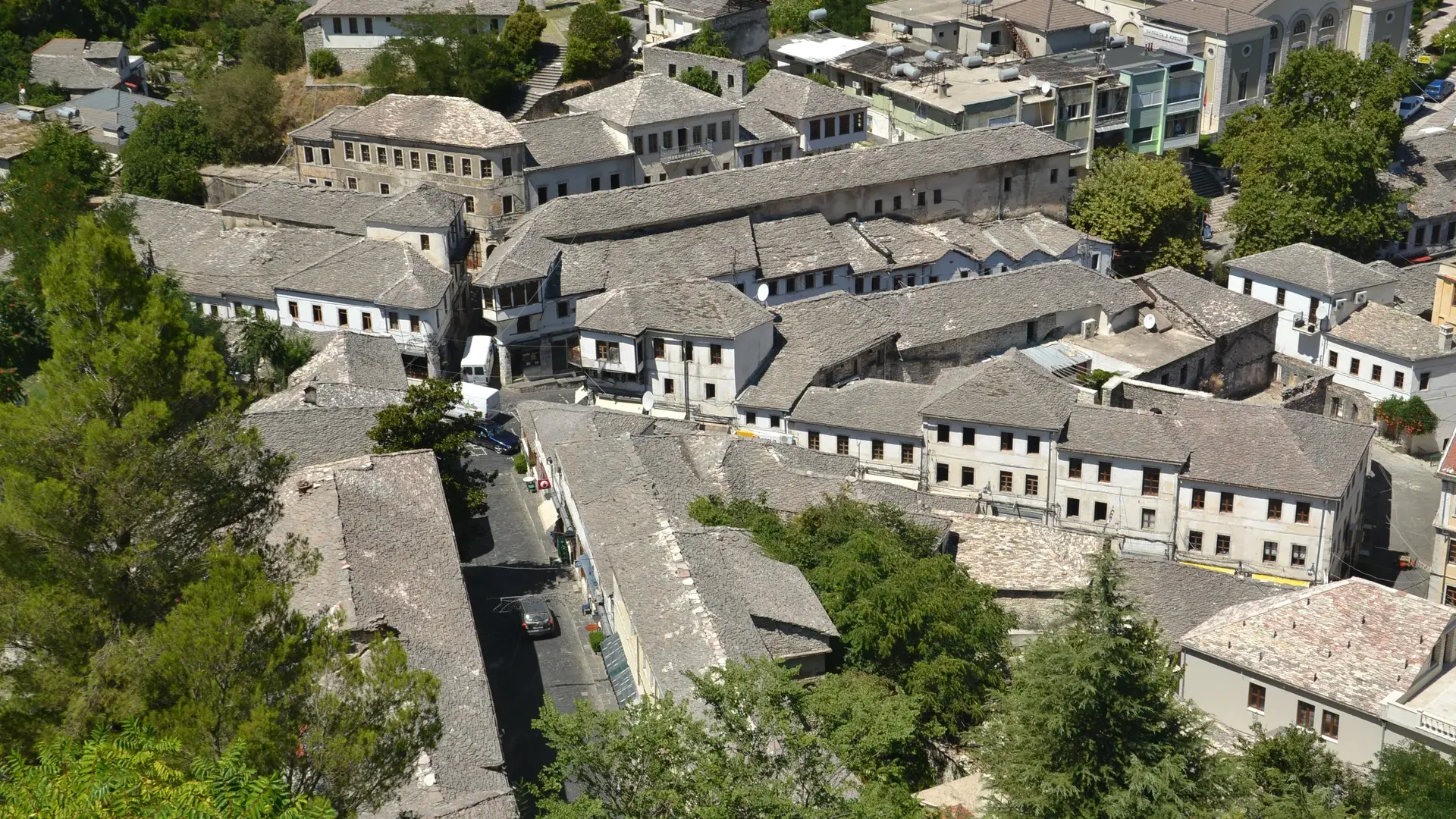
Because its old town is one of two rare survivors of Ottoman-era town building in Albania. UNESCO inscribed Gjirokastra in 2005 and added Berat, in central Albania, in 2008, so the two now share a single World Heritage listing.
What UNESCO singles out here are the houses. Gjirokastër was built by major landowners, who raised turreted tower houses, known by the Turkish word kule, around a citadel UNESCO dates to the 13th century. The finest date from the 17th century; the most elaborate, from the early 19th.
The town also keeps its bazaar, an 18th-century mosque and two churches of the same period. Albania's National Tourism Agency adds the nickname everyone uses, the City of Stone, for its stone houses and streets.
What can you see in Gjirokastër in one day?
The castle in the morning, the tower houses at midday and the bazaar by evening: that is the order the municipality itself suggests in its one-day plan for the town.
The castle
Start at the top. The fortress spreads over the whole of a 336 m hill, and the walk up already opens the views over the valley.
Zekate House
Built at the start of the 1800s, it is the municipality's pick as the finest example of a typical Ottoman tower house: a stone ground floor for safety, the family rooms above, frescoed walls and carved wooden ceilings.
Skenduli House
More than 250 years old, it stands on stone foundations that reach the first-floor windows and has 9 chimneys and finely worked ceilings that showed off the family's wealth.
Ethnographic Museum and Kadare's house
The Ethnographic Museum fills the 19th-century house where the communist dictator Enver Hoxha grew up, in the Palorto quarter. Close by, the house where the writer Ismail Kadare was born is now a museum; the municipality suggests reading his Chronicle in Stone first.
The old bazaar
Finish at Qafa e Pazarit, the bazaar crossroads, among the stone carvers, woodworkers and embroiderers who still keep their family trades.
What is inside Gjirokastër Castle?
A weapons museum, the ruins of a prison and a Cold War aircraft. Albania's National Tourism Agency lists the Weapons Museum, the remains of the communist-era prison and an American fighter jet inside the walls.
The castle is also a stage: it hosts the National Folklore Festival, which brings together groups from all over Albania.
What we can't give you is the castle's opening hours or ticket price. We haven't found them published by an official source, so confirm them at the gate before you build the day around them.
How do you get to Gjirokastër from Sarandë?
By road, inland: Gjirokastër lies in the Drinos river valley. We don't quote a bus timetable or a journey time, because neither the municipality nor the National Tourism Agency publishes one for this route.
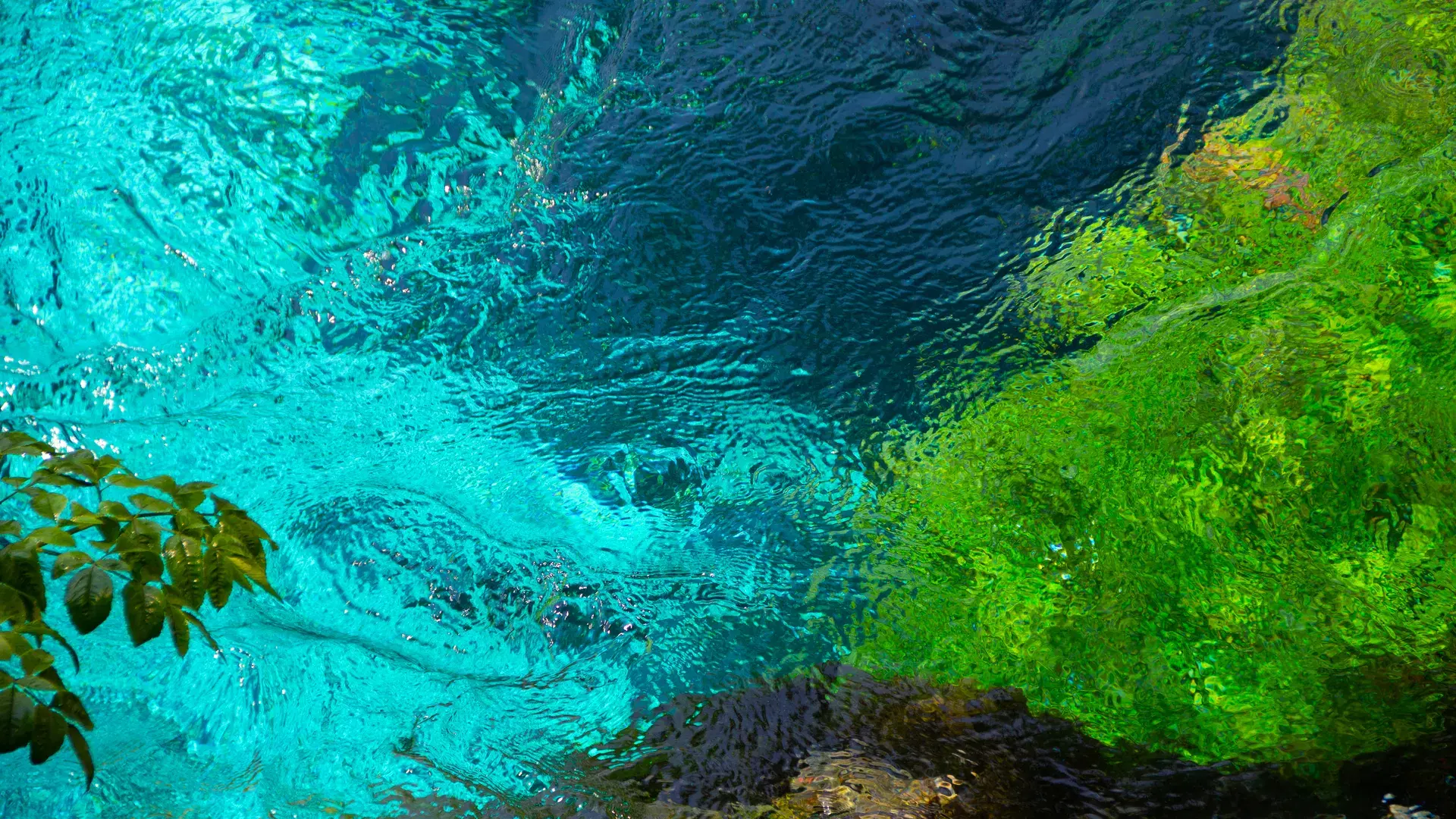
However you travel, settle the way back before you set off: the night you came for starts on the coast. And if you'd like a second natural sight near Sarandë, read our page on the Blue Eye spring.
Back on the Riviera for the night
A Gjirokastër day ends best on the coast. In summer, Sarandë starts early with sunset parties and the boat, while Ksamil's beach clubs finish late; Saranda or Ksamil helps you choose between them.
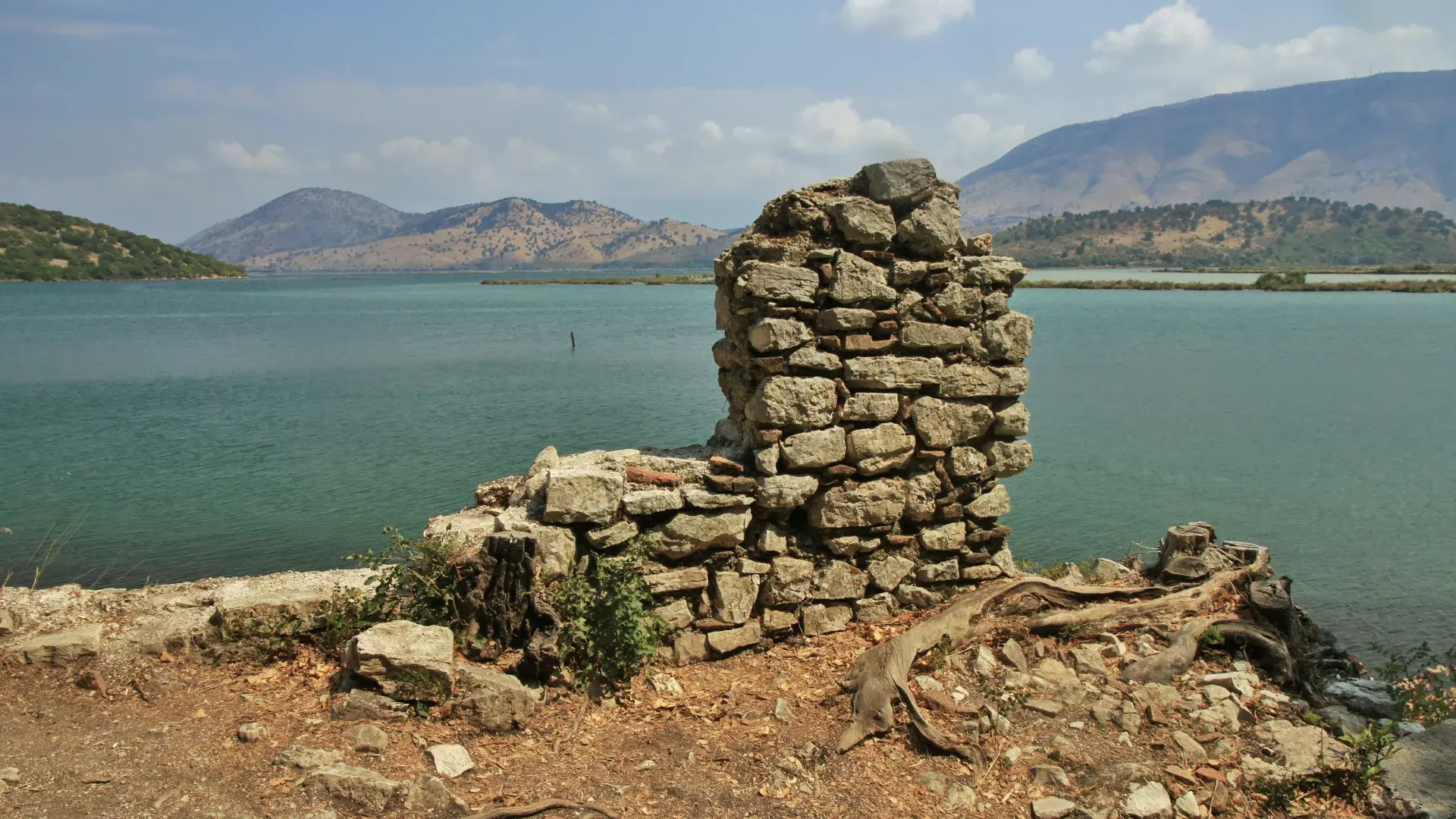
Out of season nothing is on sale yet: the 2027 page lists the nights as soon as they are published. For a second UNESCO site, this time by the sea, Butrint National Park begins at the edge of Ksamil.